Tuzi è il viaggio più breve di questa serie, circa 15 km a sud di Podgorica verso il confine albanese, e un modo rapido per sentire un altro Montenegro senza rinunciare a una giornata intera. La guida non è impegnativa e va bene con qualunque auto; quello da sistemare prima di partire è la copertura per l'estero e una carta verde se pensate di proseguire attraverso il valico di Hani i Hotit verso Scutari. Ritirate il vostro noleggio a Podgorica ed è un salto di venti minuti.
La città che è diventata città solo nel 2018
Tuzi si trova a circa 15 km a sud del centro di Podgorica, sulla strada verso il confine albanese. È il centro principale della regione della Malësia (le Terre Alte), storicamente un insieme di villaggi tribali di etnia albanese sul versante montenegrino delle montagne. Fino al 2018 faceva parte del comune di Podgorica; da allora è un comune a sé, l'unico del Montenegro a maggioranza albanese e con l'albanese come lingua co-ufficiale.
È abbastanza vicina alla capitale per una mezza giornata e abbastanza diversa da sembrare un vero cambio di scenario.
Il viaggio da Podgorica
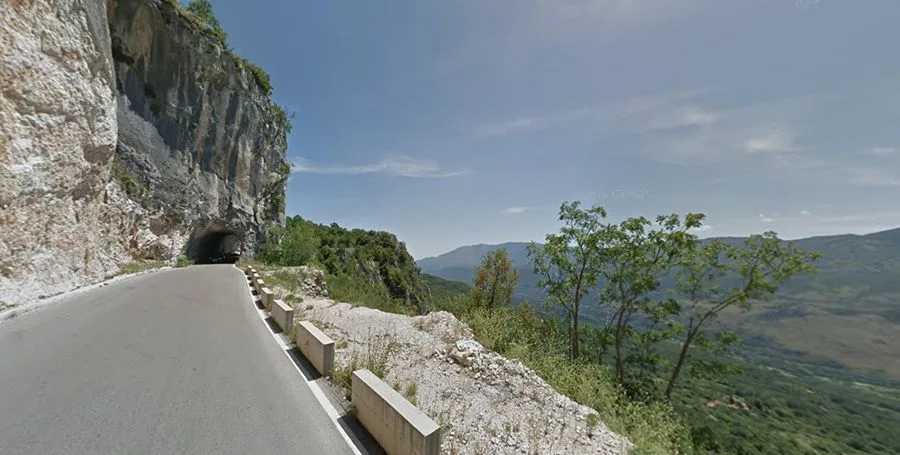
Prendete la E762 / E80 verso sud in direzione del confine albanese. La strada è a doppia carreggiata per gran parte del breve tratto, poi a carreggiata unica avvicinandosi a Tuzi. La città è sulla destra dell'asse principale. Tempo di percorrenza dal centro di Podgorica: circa 20 minuti, a seconda del traffico.
Il paesaggio cambia in fretta. A nord di Tuzi la piana della Zeta è piatta e coltivata intensamente; a sud e a est il terreno sale bruscamente verso le Prokletije, le Montagne Maledette, e in una giornata limpida si vede la parete di cime a 2.500 m che segna il confine albanese a sud-est.
Cosa vedere a Tuzi
Tuzi è modesta, un'unica via principale con negozi, qualche caffè, una moschea, una chiesa cattolica e una piccola piazza. Non venite aspettandovi un centro storico. Fate piuttosto così:
- Mangiare. Diversi ottimi panifici albanesi e montenegrini vendono burek fresco, flija (crespella albanese a strati) e trahana. I prezzi sono nettamente più bassi che a Podgorica.
- Caffè. La cultura del caffè è la stessa della capitale, meno levigata e più economica.
- Mercati. La pijaca (mercato) ai margini della città, il mercoledì e il sabato mattina, vende i prodotti dei villaggi della Malësia, miele, erbe essiccate, olio d'oliva spremuto in casa, a volte rakija.
Verso i villaggi della Malësia
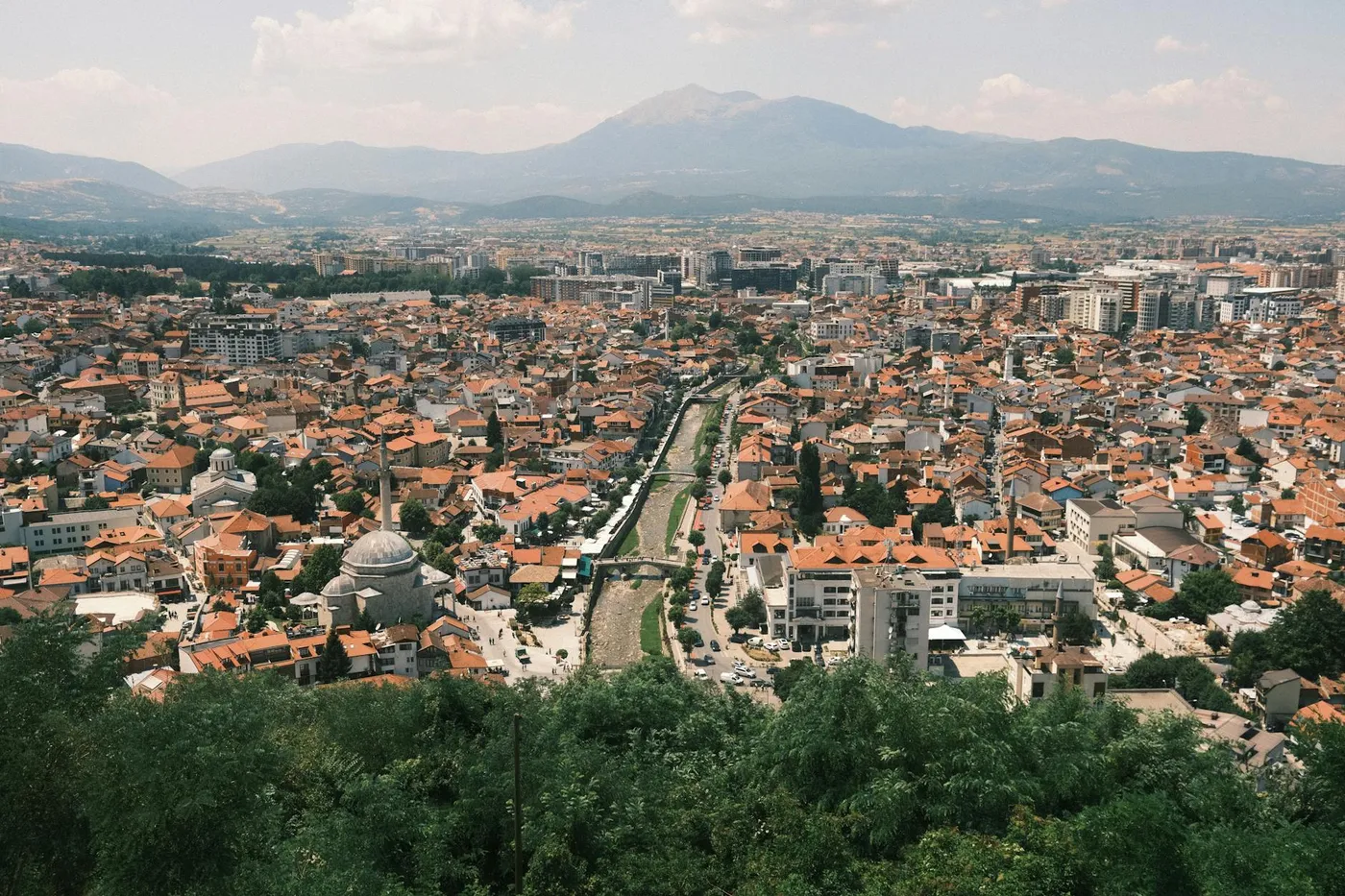
Il vero motivo per guidare fin qui è proseguire a est nella Malësia, una serie di villaggi di pietra allineati lungo l'avvicinamento alle Prokletije. Nomi da cercare sui cartelli: Dinoša, Milješ, Gurec, Vladne. Sono rurali, di popolazione cattolica albanese, e più o meno ignorati dal circuito turistico. Si guida, si guardano le montagne, ci si ferma in una kafana per una rakija e un caffè, si torna indietro. Le strade sono asfaltate, strette e vuote.
Accesso al lago di Scutari
Tuzi vi porta vicino anche alla sponda orientale del lago di Scutari, meno frequentata del lato di Virpazar. Il villaggio di Vranjina e il centro visitatori del parco nazionale del lago di Scutari sono sulla strada principale a sud, poco più avanti. Qui l'acqua è orlata di canne e piena di uccelli.
Passare in Albania, Hani i Hotit
Il principale valico verso l'Albania su questo itinerario è Hani i Hotit, circa 10 km a sud-est di Tuzi. È il passaggio Montenegro Albania più trafficato ed è aperto 24 ore su 24. Dal confine mancano altri 30 minuti a Scutari, la città più grande dell'Albania settentrionale, in tutto circa 45 minuti di guida da Tuzi, 1 h 15 min da Podgorica.
Per portare un'auto a noleggio oltre confine serve una carta verde valida per l'Albania. Ditecelo alla prenotazione e la emetteremo, non presentatevi al confine senza. Servono i passaporti, non le carte d'identità; una patente UE o britannica basta per guidare sul lato albanese. I controlli di solito sono rapidi ma possono richiedere 20 o 30 minuti di coda nei sabati di punta d'estate.
Note pratiche
- Mezza giornata da Podgorica è realistica, partire dopo colazione, rientrare per un pranzo tardivo.
- Portate contanti in euro (Montenegro) e piccole somme in lek albanesi se attraversate il confine. Molti piccoli locali della Malësia accettano solo contanti.
- I prezzi del carburante a Tuzi sono gli stessi di Podgorica; in Albania di solito sono un po' più bassi, ma non attraversate il confine solo per fare il pieno.
In sintesi
Cosa prenotare per questo viaggio
Nulla nella guida è impegnativo, quindi la classe è una scelta di comfort e non di capacità: un'auto economica copre benissimo la corsa fino a Tuzi e ai villaggi della Malësia, e gran parte del parco è automatica se preferite non lavorare col cambio nelle viuzze dei paesi. L'annuncio indica il modello esatto con le sue fotografie, così vedete cosa state prendendo invece di leggere una categoria.
La decisione di prenotazione che conta davvero qui è il confine. La copertura per l'estero va organizzata al momento della prenotazione, perché il documento viene preparato insieme all'auto e non può essere prodotto a Hani i Hotit per quanto stiate in coda. Se c'è anche solo la possibilità che proseguiate per Scutari, mettetelo nella prenotazione e deciderete poi se usarlo. Per il resto valgono le condizioni consuete: responsabilità civile Minimum gratuita su ogni noleggio, Basic, Full e il Full Plus senza cauzione come livelli a pagamento al checkout, una cauzione rimborsabile bloccata su carta al ritiro sulla maggior parte delle auto, nessuna su alcune, e nessuna carta di credito richiesta su nessuna. Portate patente e passaporto invece della carta d'identità se il confine è in programma, e tenete il contratto di noleggio in auto invece che in una borsa nel bagagliaio, dato che entrambi i documenti si mostrano al valico. La cancellazione gratuita è offerta su auto selezionate ed è segnalata nei risultati, utile finché la tappa di confine resta indecisa.